
Can San Francisco’s Downtown Become a Neighborhood Again? |
A look at the storefronts, housing ideas and public spaces behind downtown's next chapter. |
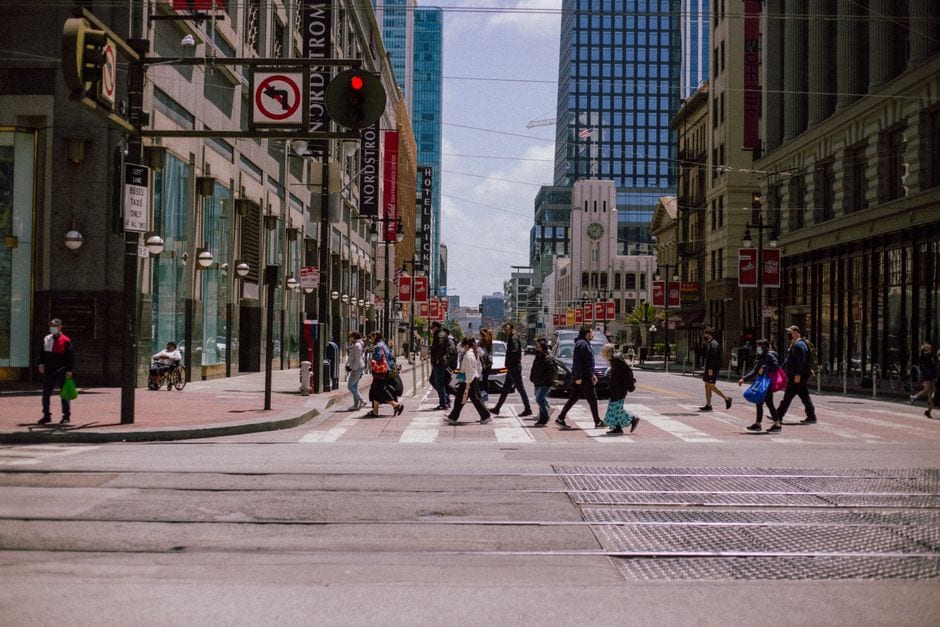
For generations, downtown San Francisco was built around the workday. Office workers arrived in the morning, filled cafés at lunch and headed home after five. That pattern left many blocks especially vulnerable when remote work reduced daily foot traffic.
The question now is bigger than whether offices will fill again: can downtown become a place where people choose to spend time after work, on weekends and perhaps even live?
Turning empty storefronts into destinations
The city's Vacant to Vibrant initiative has helped independent businesses test downtown locations. In March, the mayor's office announced additional pop-ups and a long-term lease, pointing to businesses such as Polly Ann Ice Cream and Elaichi Co. as examples of how smaller tenants can bring activity back to the street.
Pop-ups can make a block more inviting, but they are not a complete answer. Merchants still need enough customers, manageable rents and a reason for people to return regularly.
More residents, not just more workers
Downtown development groups are also examining ways to bring housing, students and other uses into a district dominated by offices. Converting older office buildings to residences can be technically and financially difficult, but a larger residential population could support grocery stores, restaurants and services beyond the traditional nine-to-five schedule.
The public realm matters
Cleaner sidewalks, lively plazas, events and welcoming street-level businesses are part of the strategy. The Downtown SF Partnership received approval in July 2026 to renew and expand its district, including areas toward the Embarcadero and Northern Waterfront.
How to judge progress
Announcements alone won't tell the full story. Useful measures include how many storefronts remain occupied after their introductory leases, whether foot traffic continues on evenings and weekends, and whether new housing or other long-term uses actually open.
San Francisco's downtown may not return to its old routine. A more mixed-use neighborhood would be a different kind of success — one that depends on residents, businesses, property owners and city government working through the practical details. |
0 Comments
Join the conversation
Be the first to comment
Share your thoughts above.