Bay Area Voters Back Transit Funding: What It Means for Muni and BART |
RTM and San Francisco’s Proposition H hold strong leads in unofficial returns, offering relief from threatened transit service cuts. |
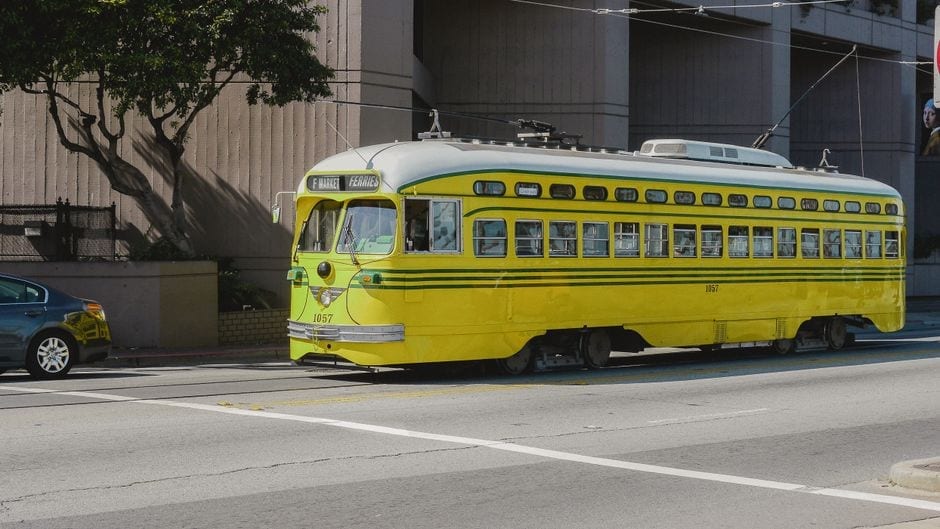
Bay Area voters have given transit agencies a path away from threatened service cuts, with two funding measures holding strong leads in unofficial returns from the November 3 election.
The Regional Transit Measure, known as RTM, would support transportation across five counties through a sales tax. San Francisco’s Proposition H would provide a separate source of money for Muni through a parcel tax.
For riders, the biggest immediate promise is keeping buses and trains running. SFMTA says the new funding, together with internal savings, will help avoid the deep cuts agencies had warned were coming.
Strong leads, with ballots still being counted
KQED’s regional results showed 805,292 votes for RTM and 488,480 against, about 62.2% support, in a panel updated at 3:30 p.m. Pacific on November 5, 2026.
Proposition H had 177,669 yes votes and 63,624 no votes, about 73.6% support, in KQED’s Associated Press results updated at 6:58 p.m. Pacific that day. Both measures require a majority.
Those are provisional totals, with certification still pending. MTC’s November 5 release used a separate regional snapshot showing 747,055 yes votes and 462,068 no votes. The two sources’ tallies differ and should be read separately.
How the regional measure works
RTM would establish a 14-year sales tax of 1% in San Francisco and 0.5% in Alameda, Contra Costa, San Mateo and Santa Clara counties.
MTC estimates it would raise roughly $980 million annually for transit operations, local transportation priorities and improvements to the rider experience. BART, Muni, Caltrain and AC Transit are among the systems it would help protect from major cuts.
The measure also requires financial reviews and cost-saving plans. Agencies will have to turn the new revenue into budgets and service decisions under that oversight.
A separate commitment to Muni
Proposition H is dedicated to Muni. The tax would run from July 1, 2027 through June 30, 2042, with the first charge appearing on fiscal-year 2027–28 property-tax bills mailed in fall 2027.
The City Controller estimates the tax would raise about $177 million a year. SFMTA’s November 4 announcement used an earlier estimate of roughly $160 million and put Muni’s expected RTM share at about $155 million annually. These are revenue estimates, rather than guaranteed collections.
What riders should watch next
The funding offers relief for people who depend on transit for work, school and medical appointments. Specific fare changes, restored routes or expanded schedules will depend on subsequent agency decisions.
For the next trip, follow agency service notices. For the longer term, watch the budgets: they will show how the funding translates into service. Property owners can find billing and implementation details on SFMTA’s parcel-tax page. |
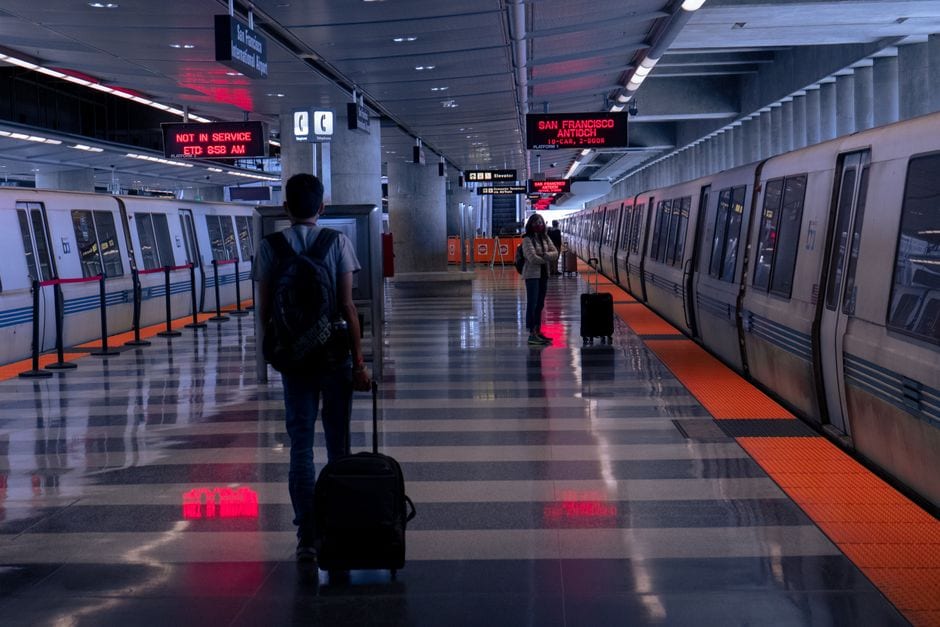 Photo by roshan thapa on Pexels. Illustrative stock photo; not a photograph of election activity. |
0 Comments
Join the conversation
Be the first to comment
Share your thoughts above.