

Before You Share the Thanksgiving Leftovers: What San Francisco Dog Owners Should Know |
A practical holiday guide to food, visiting guests and keeping your dog comfortable, with advice from the San Francisco SPCA and veterinary organizations. |
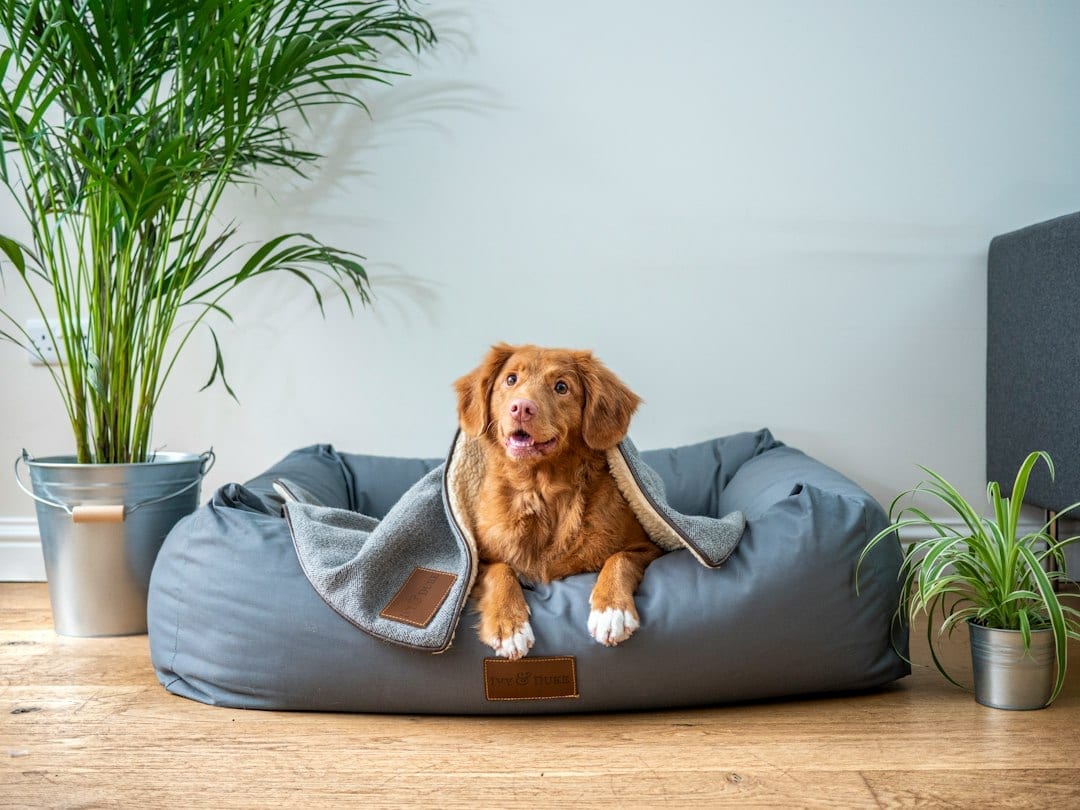
By the time Thanksgiving dinner reaches the table, your dog has probably been following its progress for hours. There have been grocery bags to inspect, roasting smells to investigate and guests who look like promising sources of snacks. In a San Francisco kitchen where the table, counter and living room may be only a few steps apart, keeping dinner out of reach takes a little planning.
With Thanksgiving falling on Thursday, November 26, this is a good week to decide what your dog will eat, where they can relax and who will keep an eye on the front door. A few arrangements made before guests arrive can save everyone a frantic scramble during dinner.
Start with your dog’s usual dinner
The ASPCA recommends keeping pets on their regular diet during Thanksgiving. Measure out your dog’s meal and put familiar treats aside before cooking gets busy. Tell everyone in the house what the plan is, including children and the guest who considers slipping a dog a bite part of being a good host.
If you want to share turkey, the San Francisco SPCA says a small piece can be an occasional treat when it is fully cooked, skinless, boneless and free of butter, seasoning and other additions. A slice taken from a seasoned serving platter may not meet those conditions. For a dog on a prescription diet or with a medical history that affects feeding, ask your veterinarian before adding a holiday treat.
An easy way to include your dog is to serve their usual food in a familiar food puzzle while people eat. Set it up somewhere comfortable, away from guests carrying plates. Use something your dog already knows how to enjoy so the holiday meal feels predictable.
The trouble often comes with the trimmings
Turkey skin, butter and gravy add fat that can upset a dog’s stomach and may trigger pancreatitis, a painful inflammation of the pancreas. The SF SPCA specifically cautions against rich holiday foods. Poultry bones can splinter, lodge in the digestive tract or cause choking, so keep the carcass and carved bones inaccessible.
Stuffing, sauces and vegetable dishes deserve a closer look, too. Onions and garlic are toxic to dogs and can be mixed into dishes that otherwise sound harmless. A spoonful of mashed potatoes or green beans may arrive with seasonings, butter or sauce. Ask about ingredients before anyone offers a taste.
For the person coordinating dinner, a simple house rule helps. Have one adult handle all dog treats. That makes it easier to keep track of what has been offered when several guests are tempted to reward the same hopeful face.
Keep dessert and baking ingredients out of reach
Chocolate, grapes and raisins belong on the list of foods dogs should avoid. Xylitol, a sweetener found in some sugar-free foods and other products, is particularly dangerous. Check ingredient labels on baked goods, candy and any peanut butter used in a dog’s food toy.
Raw yeast dough poses a different hazard. It can expand inside the stomach and produce alcohol as it ferments. Keep rising dough somewhere a curious dog cannot reach, and clear baking ingredients and bowls as you finish using them.
Guests’ belongings need a safe place as well. A purse left on the floor may contain medication or sugar-free gum. Offer a closed bedroom or cupboard for bags and coats, especially when visiting children are unpacking snacks.
Give your dog a place to take a break
Holiday visits can mean a doorbell that keeps ringing, unfamiliar voices and furniture shifted to fit another chair. The SF SPCA recommends a quiet retreat and keeping regular meal and walking routines as much as possible. Set out your dog’s bed, water and familiar comfort items before the gathering starts.
In an apartment or shared home, that might mean a bedroom with a clear instruction to guests to leave the dog resting. Tell children where the quiet area is and help them respect it. Arrange for someone to check on the dog during the meal.
Plan a familiar walk before guests arrive if it fits your dog’s routine. Leave enough time to get home and settle in before the first knock at the door. Choose the outing around your dog’s comfort and the day’s conditions.
Watch the doorway and the cleanup
The American Veterinary Medical Association advises making sure pets have identification and current microchip information, and watching them closely as visitors enter or leave. Assign someone to handle arrivals if your dog tends to rush toward an open door. A leash, gate or separate room can help while bags and serving dishes are carried inside.
Dinner ending is the start of another round of temptation. Clear low tables and unattended plates, then secure food waste. The AVMA recommends putting turkey remains and related trash in a closed container outside or behind a securely closed door. Check that the lid stays shut and that guests know where food scraps go.
If your dog gets into something, call promptly
If you suspect your dog ate a toxic food or substance, contact your veterinarian or ASPCA Poison Control at (888) 426-4435 right away. The service operates around the clock, including holidays, and a consultation fee may apply. The ASPCA cautions that some poisons have delayed effects, so a dog appearing normal is not a reason to postpone the call.
Have the packaging, ingredient list, approximate amount and time of exposure ready, along with your dog’s weight and any symptoms. Ask a veterinary professional before giving a home remedy or attempting to make your dog vomit. If your dog is unconscious, having seizures or struggling to breathe, seek immediate veterinary care.
Before Thanksgiving, save your veterinarian’s number and the contact details for an emergency hospital in your phone. Check the hospital’s holiday arrangements directly. That gives everyone a clear next step if an accident happens.
For most dogs, the best parts of Thanksgiving are familiar ones. There is a walk, a meal, somewhere comfortable to sleep and their people nearby. Make room for those things while you plan the human celebration.
Sources & References
San Francisco SPCA — Thanksgiving pet safety (https://www.sfspca.org/blog/thanksgiving-safety-tips-for-cats-and-dogs/)
ASPCA — Thanksgiving safety tips (https://www.aspca.org/pet-care/general-pet-care/thanksgiving-safety-tips)
American Veterinary Medical Association — Thanksgiving pet safety (https://www.avma.org/resources/pet-owners/petcare/thanksgiving-pet-safety)
San Francisco SPCA — poison prevention (https://www.sfspca.org/blog/poison-prevention/)
ASPCA — what to do if your pet is poisoned (https://www.aspca.org/news/what-do-if-your-pet-poisoned)
ASPCA — Poison Control contact information (https://www.aspca.org/pet-care/aspca-poison-control) |
0 Comments
Join the conversation
Be the first to comment
Share your thoughts above.