

Beyond Downtown: The Changing Face of San Francisco's Neighborhood Shopping Streets |
From Clement Street to West Portal and Taraval, neighborhood corridors face new pressures and opportunities. |
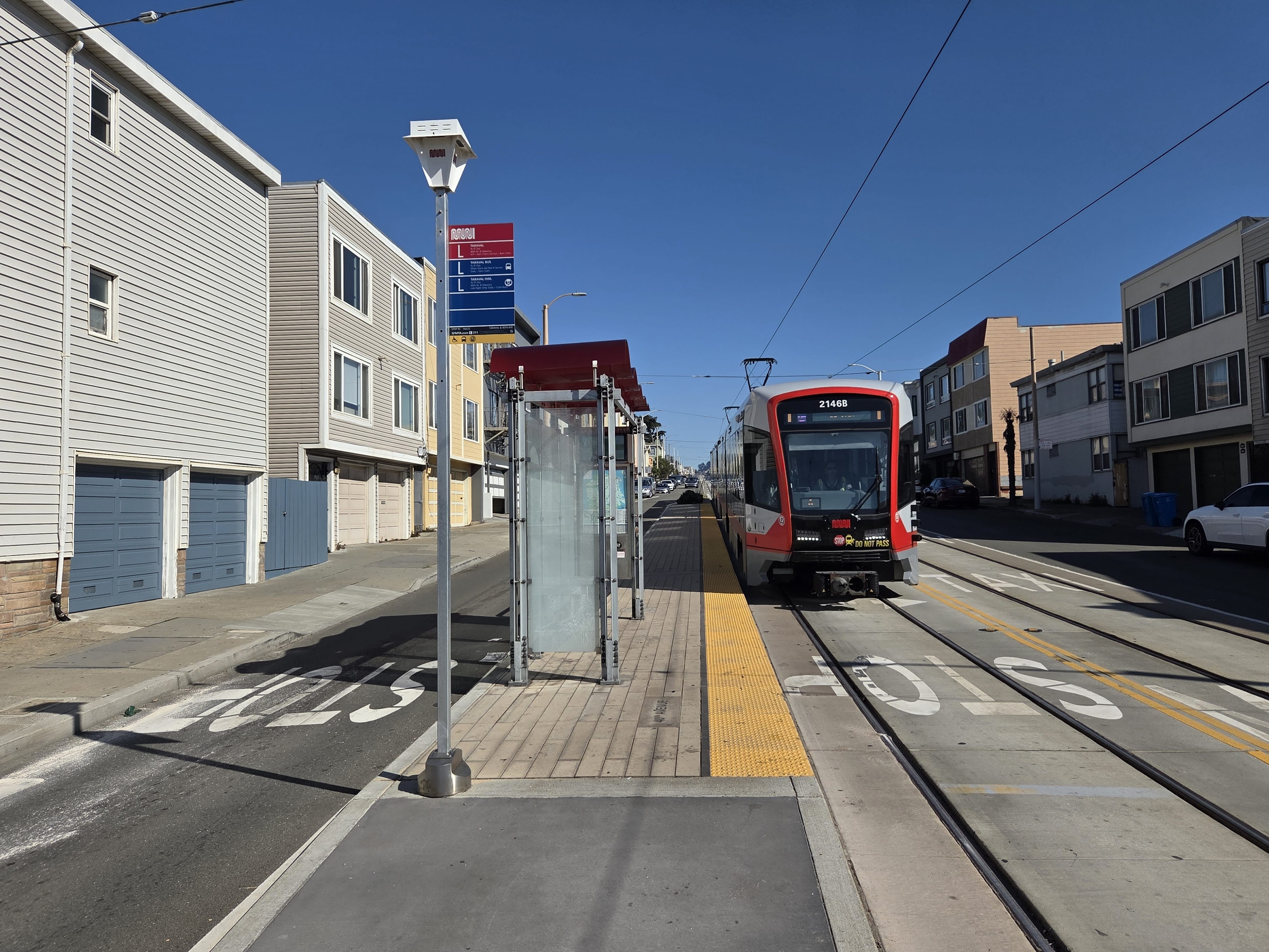
San Francisco's business story is bigger than downtown. Along Clement Street, West Portal Avenue, Taraval Street and dozens of other commercial corridors, independent merchants shape the daily rhythms of neighborhood life. A hardware store, bakery or café may not make citywide headlines, but its success can affect an entire block.
Those shopping streets face a complicated mix of challenges: rent, labor and insurance costs, changing shopping habits, permitting requirements, and the practical question of how customers reach a storefront. At the same time, neighborhood loyalty and a strong mix of businesses can make local corridors resilient.
The city's Small Business Commission has identified retention, easier openings and stronger commercial corridors as priorities for fiscal years 2026–27. Its agenda highlights affordability, cleanliness, transit access and community-rooted economic development.
Different streets, different needs
Clement Street's mix of food businesses and neighborhood services gives it a different character from West Portal's transit-oriented village center or Taraval's long commercial spine through the Sunset. Policies that work on one corridor may need adjustment on another. Street conditions, customer patterns and available storefronts are not interchangeable.
Why vacancies matter
An empty storefront can interrupt foot traffic and make a block feel less active. But filling a space with just any tenant is not the whole answer. Long-term success depends on businesses that can serve local demand, sustain their costs and complement nearby merchants.
Programs that assist with storefront improvements, technical support and corridor management can help. City planning documents describe a community economic development approach that includes small-business assistance, improvements to buildings and public spaces, and partnerships with neighborhood groups.
The transportation balancing act
Reliable transit, safe crossings, loading zones, parking and accessible sidewalks all influence how people use neighborhood shopping streets. Merchants and residents may disagree about the right balance, but a successful corridor generally needs to work for customers arriving in more than one way.
What residents can watch
Look for the signs that extend beyond a grand opening: whether a vacant storefront stays occupied, whether neighboring shops gain customers, and whether the street remains comfortable and useful for everyday errands. Shopping locally helps, but so does participating in neighborhood discussions about the conditions businesses need to survive.
For The SF Brief, the most revealing stories may come from the merchants and customers on these streets. Their experience will show whether policy ambitions are translating into thriving commercial blocks.
Sources: San Francisco Small Business Commission 2026–27 priorities; San Francisco community economic development framework. |
0 Comments
Join the conversation
Be the first to comment
Share your thoughts above.