Muni Service and San Francisco Changes to Watch This Fall |
Transit payments, service adjustments and downtown investment are changing some familiar routines |
San Francisco changes constantly, but the shifts that matter most are usually the ones that alter an everyday routine.
This fall, several of those changes are happening at once, particularly around Muni service, fare payments and the city’s continuing effort to bring more activity downtown.
One of the most immediate changes is already in your pocket.
As of September 1, riders can no longer buy new single-ride tickets through the standalone MuniMobile app.
Instead, adult riders can use Clipper or tap a chip-enabled credit or debit card directly at a fare reader.
The transition is part of a gradual retirement of MuniMobile, which is expected to be fully phased out by mid-2027.
For occasional riders, tapping a bank card may actually make Muni simpler than opening an app and buying a ticket.
Service itself has also been adjusted.
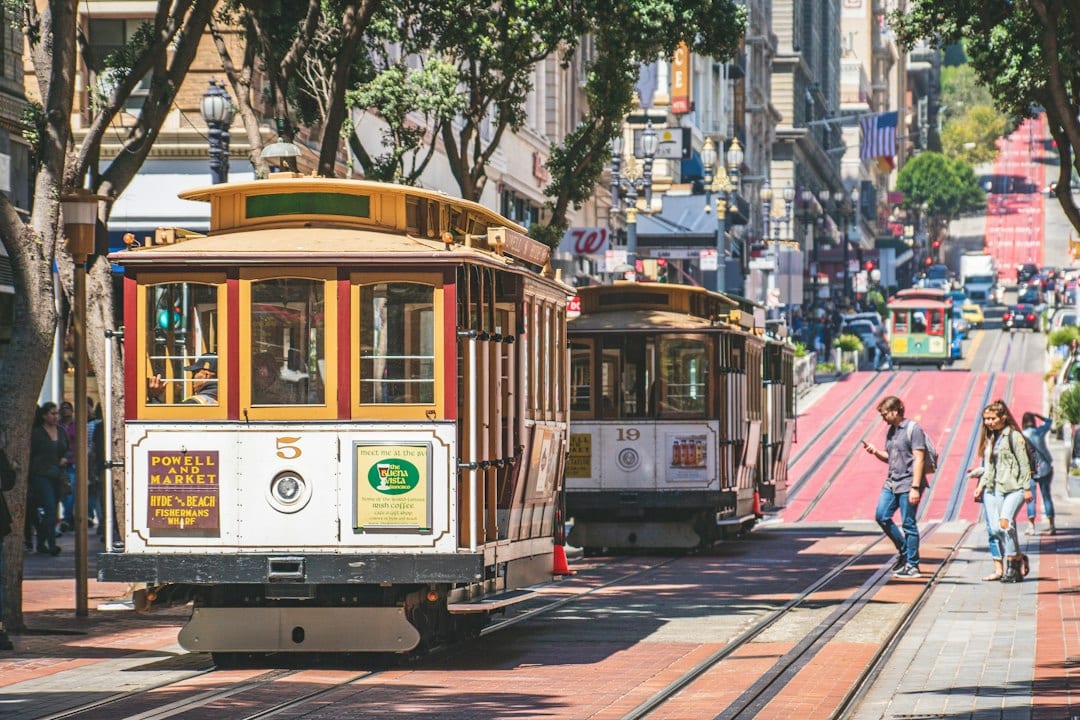
Changes that began in late August increased frequency on the 1 California and N Judah, added capacity on crowded routes such as the 49 Van Ness-Mission, and modified selected stops and schedules to improve reliability.
Those improvements arrive against a less comfortable backdrop: SFMTA continues to face serious long-term financial pressure.
The agency approved a two-year budget designed to preserve core service while relying on cost savings and operating efficiencies.
That makes the current moment a balancing act: improve the rider experience now while figuring out how to pay for the system later.
Downtown is undergoing its own experiment.
City efforts continue to focus on filling storefronts, improving public spaces and giving residents more reasons to spend time in areas that were once dominated by office workers.
The downtown community benefit district has been expanded to include more of Jackson Square and major waterfront landmarks, with future funding planned for programming, cleaning, safety, wayfinding and ground-floor activation.
Programs aimed at putting small businesses into vacant storefronts have produced visible successes, although the economics remain difficult for some operators once temporary assistance ends.
That tension may be one of the most important local business stories to watch.
San Francisco is trying to make downtown feel less like a nine-to-five business district and more like a neighborhood where people deliberately choose to spend time.
Whether that transformation sticks will depend less on ribbon cuttings than on repeat visits from residents.
For locals, the takeaway is not that San Francisco is suddenly becoming a different city.
It is that familiar systems and places are being quietly redesigned around new habits: tap instead of opening an app, expect slightly different transit service, and look downtown for businesses and public spaces that did not exist a year ago.
The SF Brief will keep watching the changes that actually affect how you move through and use the city. |
0 Comments
Join the conversation
Be the first to comment
Share your thoughts above.