

San Francisco's November Ballot: Four Local Questions Worth Understanding |
From Sunset Dunes to Muni funding, the November 3 election includes decisions with everyday consequences. |
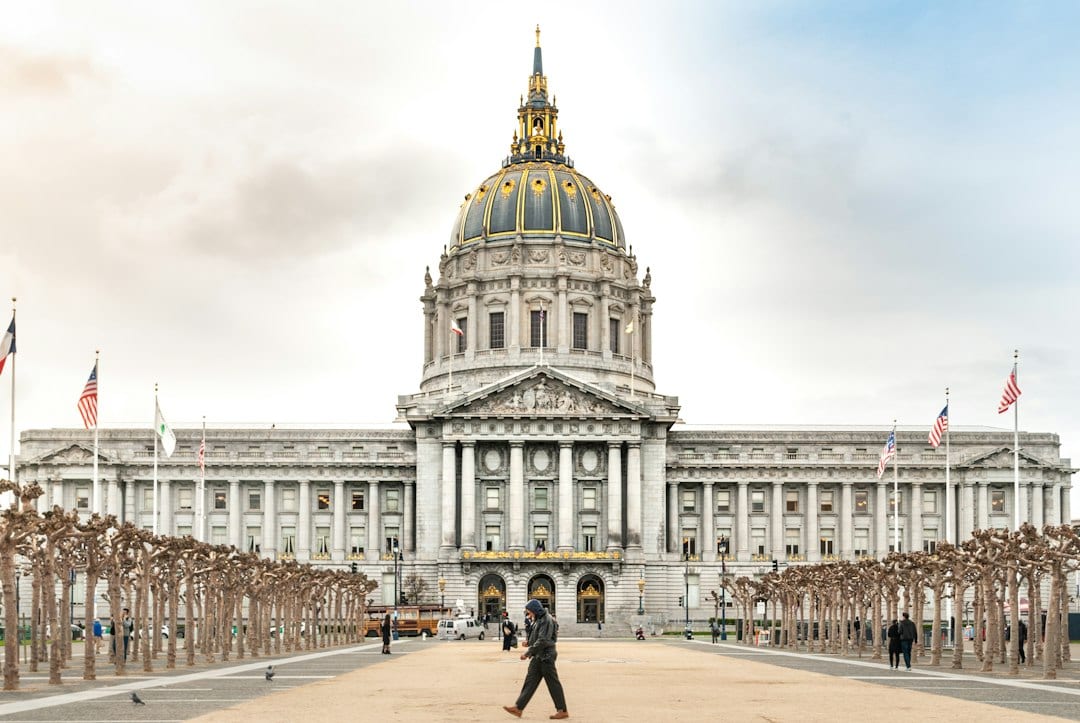
Election season can make a local ballot feel like a long list of letters, acronyms and competing campaign claims.
But several measures facing San Francisco voters on November 3 connect directly to how the city functions.
The most useful approach is to start with what each measure would change, then consider its costs, trade-offs and alternatives.
Proposition G: Cars and Sunset Dunes.
This measure concerns whether private vehicles should again use the Upper Great Highway during most weekdays.
It would close Sunset Dunes Park to public park use during specified weekday hours to allow that traffic.
The underlying choice involves access for drivers, nearby street traffic and the value of a continuous oceanfront recreational space.
Proposition H: Muni funding.
The ballot includes a proposed parcel tax related to Muni funding.
Voters should examine how the revenue would be raised, how long the tax would apply and which transit needs it would support.
Supporters may emphasize preserving dependable service, while opponents may focus on tax burden or agency accountability.
Those are different questions, and both deserve scrutiny.
Proposition C: Housing Trust Fund.
Housing affordability remains one of San Francisco's most persistent challenges.
This measure concerns the city's Housing Trust Fund, making it important to understand the proposed funding mechanism and its likely effect on affordable housing.
Ask whether the change creates new resources, redirects existing money or changes how funds may be used.
Proposition B: Public Bank.
A public bank proposal raises questions about the city's role in banking and how public funds could support local priorities.
The important details include governance, financial risk, startup costs and the services a city-backed institution would actually provide.
Campaign descriptions tend to emphasize either the potential benefits or the potential risks.
Voters should look for the operational details behind both arguments.
How to make sense of the rest.
The local ballot also contains measures involving city government structure, administrative responsibilities and taxation.
Some of these sound technical but could affect how decisions are made long after election day.
The city's official voter information pamphlet is the best starting point for the exact legal language and independent analysis.
Nonpartisan comparisons can help, but be alert when a voter guide also recommends a position.
You do not need to become an expert in municipal law to cast an informed ballot.
You do need to know what a yes vote and a no vote would actually do.
Set aside a little time before November 3 to read the official summaries, especially for measures that affect your neighborhood or household. |
0 Comments
Join the conversation
Be the first to comment
Share your thoughts above.