

Why San Francisco Keeps Losing Neighborhood Restaurants |
Recent closures show how rent, debt and thin margins can overwhelm even well-loved local establishments. |
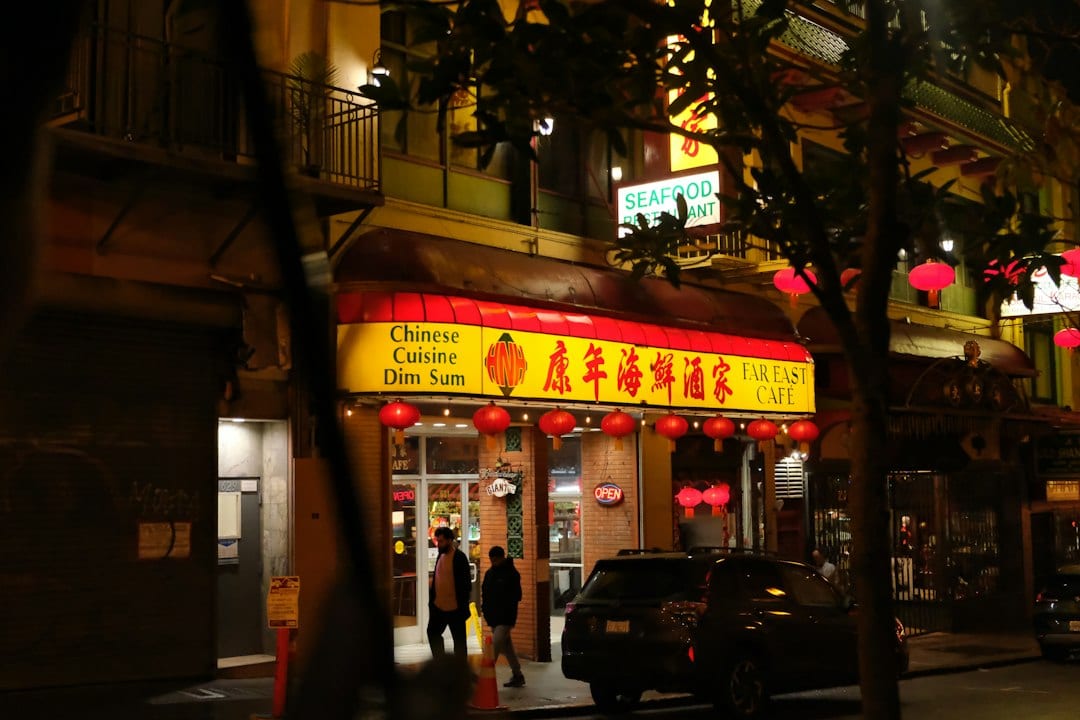
A restaurant can have loyal customers, strong reviews and years of neighborhood history and still struggle to survive.
That uncomfortable reality has become visible again as several familiar San Francisco establishments announce closures.
The losses matter because restaurants are not just places to eat.
They are meeting spots, employers and anchors for commercial corridors.
Recent examples tell different stories.
In the Castro, Mama Ji's announced plans to close at the end of October after roughly 15 years in the neighborhood.
Reporting on the closure identified a rent increase as a significant factor.
In the Mission, longtime Irish bar The Liberties closed indefinitely amid financial troubles involving a substantial loan.
The Inner Richmond also lost Mai's Restaurant, a longtime neighborhood fixture, in early October.
It would be misleading to claim that all three closed for the same reason.
Each business has its own finances, lease and customer patterns.
But together they illustrate how little room for error some independent operators have.
The math can turn quickly.
Restaurants must pay for ingredients, staff, insurance, utilities, repairs and space before an owner earns a profit.
Even a busy dining room does not guarantee a healthy bottom line if costs rise faster than revenue.
A lease renewal or unexpected debt obligation can be especially difficult for an establishment with thin margins.
Changing neighborhood habits add another layer of uncertainty.
Customers may still love a place while visiting less frequently than they once did.
Why the losses feel personal.
A neighborhood restaurant often becomes part of a family's routine: the Friday dinner, the birthday table or the place where the staff remembers an order.
When it closes, residents lose a little piece of shared local history.
New openings are encouraging, but they do not automatically replace what a longtime business meant to its regulars.
What residents can do.
The simplest help is consistent patronage rather than waiting until a closure announcement to make one last visit.
Recommend good independent spots to friends, consider visiting during quieter hours and support neighborhood merchants when the experience earns it.
City policy also matters, including the predictability of permitting, commercial leasing conditions and the cost of operating a small business.
No single dinner can solve those structural problems.
Still, a city that values neighborhood restaurants needs both customers who show up and conditions that let operators stay.
The next time you say you have been meaning to revisit a favorite spot, consider putting it on the calendar. |
0 Comments
Join the conversation
Be the first to comment
Share your thoughts above.